Gateway City · Kanto
Tokyo for travel agents
How to route Tokyo in a client itinerary — nights needed, neighbourhood logic, MICE capacity and what a DMC handles on the ground.
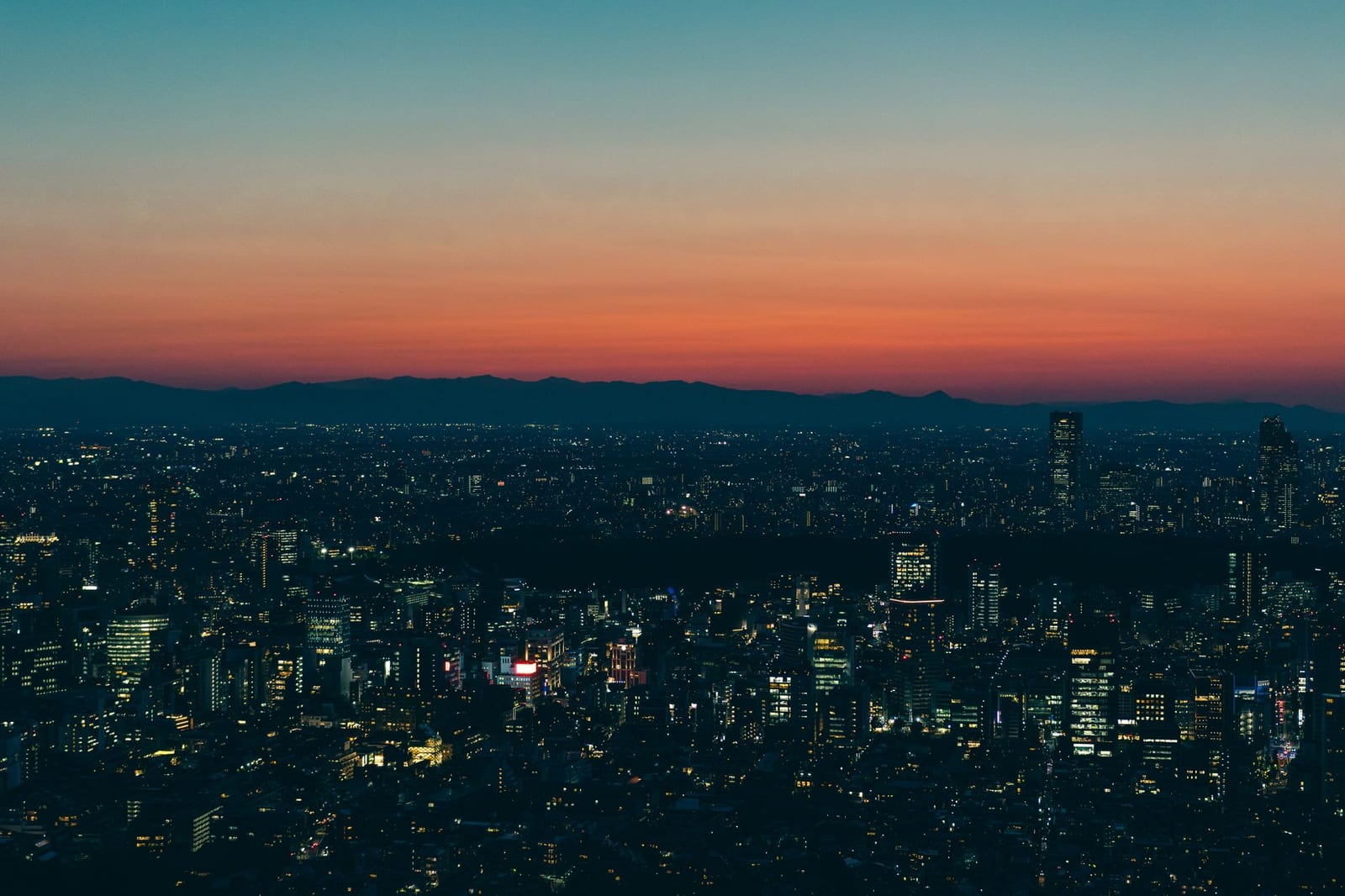
- First and last nights of almost every Japan itinerary
- MICE and incentive programmes up to 1,000+ pax
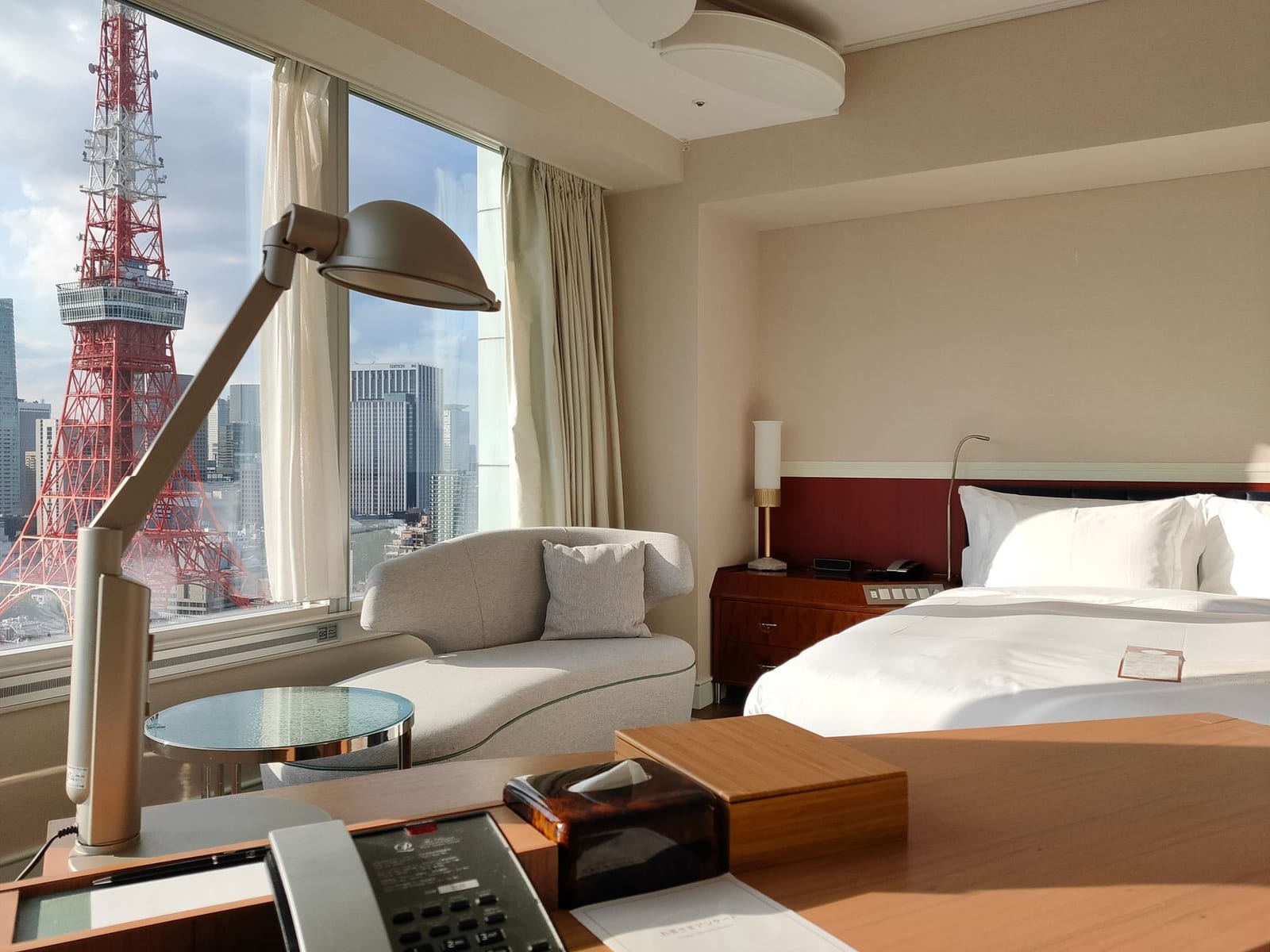
- Luxury FIT: hotel depth unmatched anywhere in Japan
Year-round destination. Late March–early April (cherry blossom) and November (autumn colour) are peak; hotel rates in those windows can double — quote early.
Airport transfers from both Narita (60–90 min) and Haneda (30–45 min), licensed English-speaking guides, coach permits for central wards, restaurant contracting for groups of 10 to 400, and after-hours venue access for incentive events.
Tokyo is where almost every Japan itinerary begins or ends, and where most of them go wrong on pacing. The city rewards neighbourhood-by-neighbourhood routing — one anchor area per day — rather than criss-crossing.
Routing logic we quote
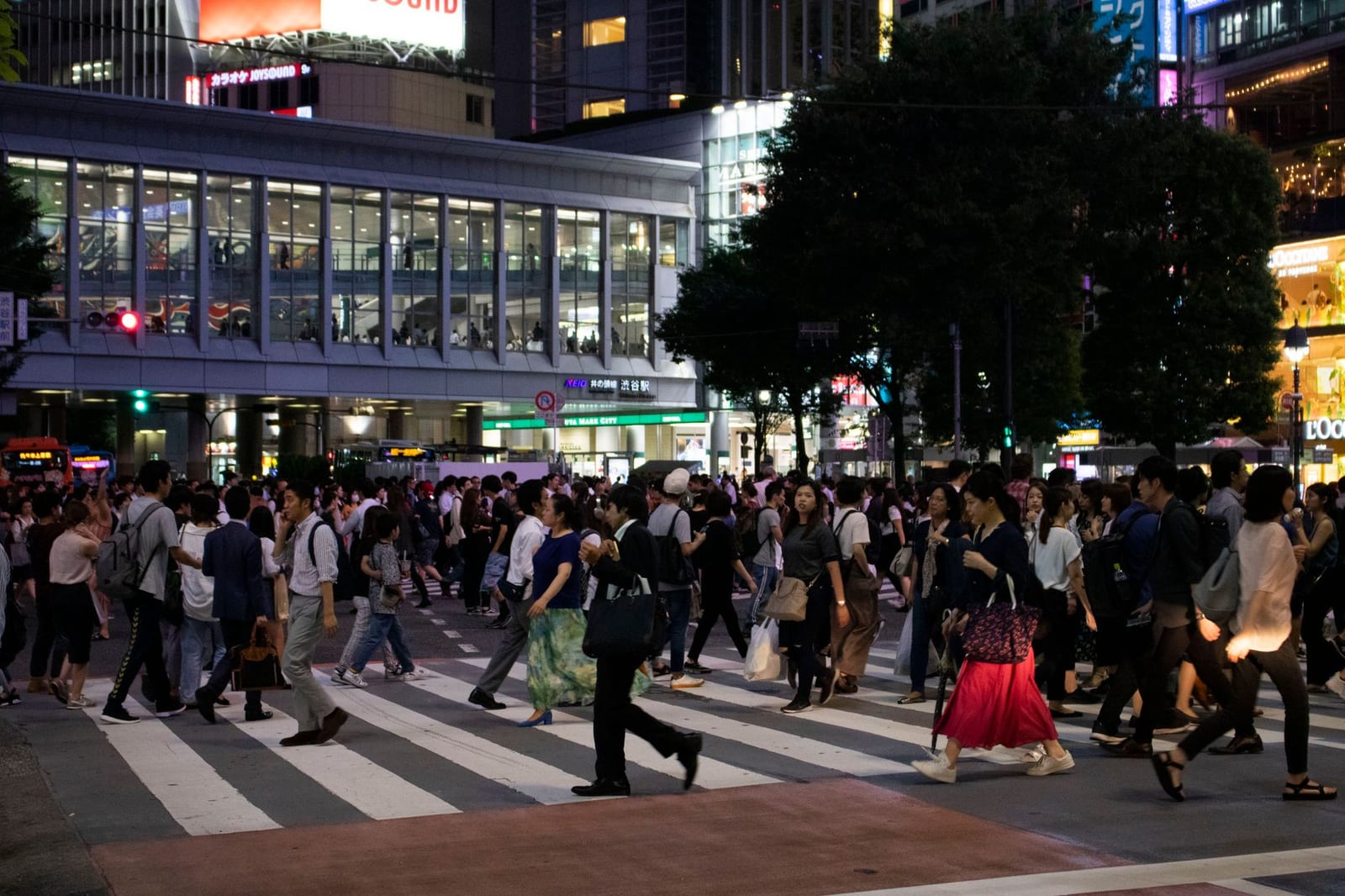
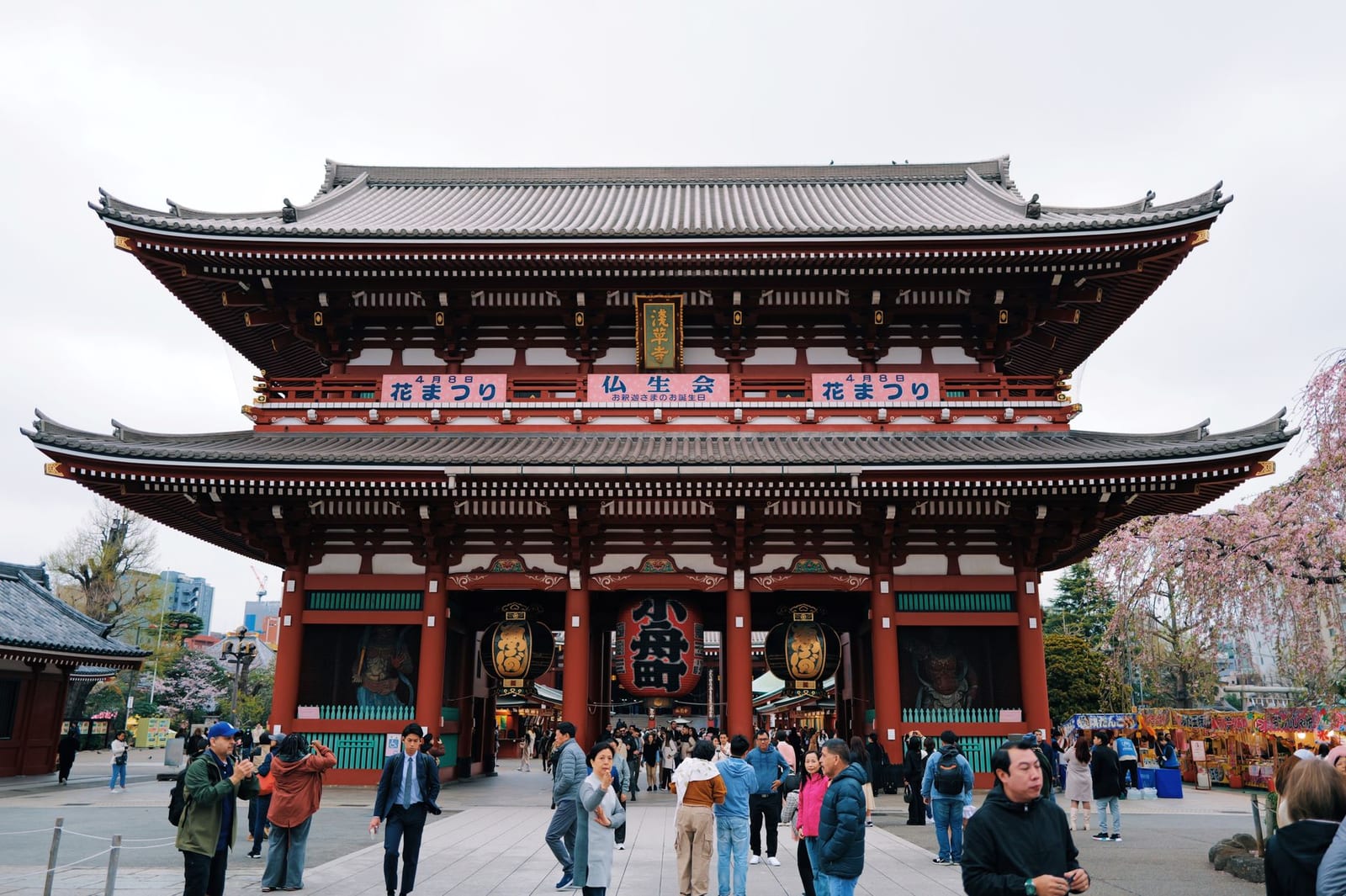
A standard first-visit structure: day one Asakusa and the east side (Senso-ji, river, Tokyo Skytree), day two the west (Meiji Shrine, Harajuku, Shibuya), with Ginza or teamLab as the flex block. Day trips to Kamakura, Nikko or Hakone bolt on cleanly without a hotel move.
For MICE planners
Tokyo has Japan’s deepest venue stock — hotel ballrooms to 2,000 pax, unique venues from museums to baseball stadiums, and the country’s best simultaneous-interpretation supply. Lead times for premium venues run 6–12 months for peak season; we hold provisional options at no cost while your programme confirms.
Tokyo in pictures
Tokyo: agent FAQs
How many nights should an itinerary give Tokyo?
Three nights minimum for first-time visitors — two full touring days plus arrival recovery. Itineraries that give Tokyo two nights consistently generate complaints; it is the single most common pacing error we see in agent-built quotes.
Narita or Haneda?
Haneda wherever the fare allows — it is 30–45 minutes from central hotels versus 60–90 from Narita, which matters most on arrival day with jet-lagged clients.
Pairs well with
Hakone
Why Hakone earns one night in most first-visit itineraries — onsen ryokan logic, luggage forwarding, and honest odds on seeing Mt Fuji.
Great Buddha & Coastal TemplesKamakura
Routing Kamakura from Tokyo - the Great Buddha, Hasedera, bamboo at Hokokuji, the Enoden coastal line, and when it beats Nikko.
Little EdoKawagoe
Routing Kawagoe - Little Edo's warehouse streets 30 minutes from Tokyo: the Bell Tower, candy alley, kimono strolls and sweet-potato everything.
Service lines covering Tokyo
Quoted net within 24 hours and delivered under your brand. Single services, FIT and small groups can be taken on 24 to 48 hours notice; larger group movements need 45 days.
- Luxury FIT - private journeys and ryokan programmes
- Groups & Series - coach logistics and FOC allocation
- MICE & incentives - venues, gala production and delegate movement
- Ground handling - transfers, rail and 24/7 support
- All services →
How your market sells Tokyo
Seasonality, pacing, dietary handling and flight access differ by where your clients fly from. Each market page sets out how we quote and operate for agencies in that country.