Black Castle & Alpine Gateway · Chubu
Matsumoto for travel agents
Routing Matsumoto - the black Crow Castle, gateway to the Japan Alps and Kamikochi, art-town streets, and where it fits between Tokyo and Takayama.
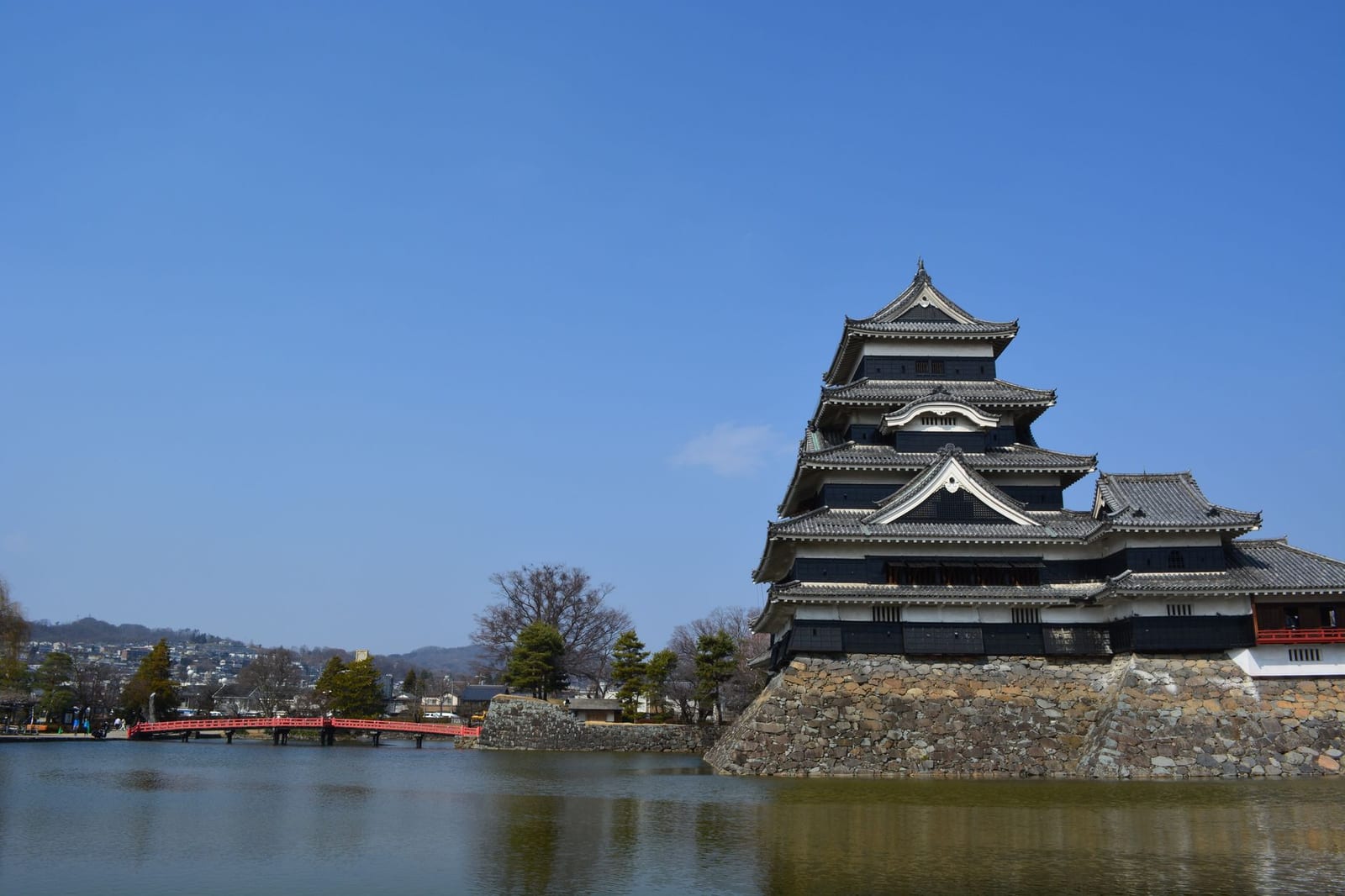
- Matsumoto Castle - the black-walled original, foil to Himeji's white heron
- Gateway to Kamikochi and the Japan Alps walking country
- The connective stop that links Tokyo, Takayama and the Nakasendo
Kamikochi opens mid-April to mid-November - the alpine valley is closed in winter, which reshapes what Matsumoto offers by season. Autumn larch-gold in the Alps is the connoisseur peak; summer is the walking season; the castle itself carries any month.
Limited express from Shinjuku (about 2.5 hours), castle guiding including the moon-viewing turret story, Kamikochi access coordination (private-vehicle restrictions apply - bus or taxi transfer from Sawando), Nakasendo post-town pairings with Narai and Magome-Tsumago, and soba and wasabi-farm dining bookings.
Matsumoto is the mountain kingdom’s front door: a castle town where the original black keep - the Crow to Himeji’s Heron - still commands a moat full of koi and swans, with the Japan Alps rising behind and Kamikochi’s valley an hour beyond. It earns its place as both destination and hinge.
Castle, then altitude
The town day: the keep’s five-tier climb and the moon-viewing turret, Nakamachi’s white-walled merchant street, soba lunch and the city museum of art. The mountain day: Kamikochi’s Kappa Bridge and riverside walks under the Hotaka wall, or - for post-town romance - Narai on the old Nakasendo, an hour down the valley.
Routing logic
Matsumoto turns the Tokyo-Takayama journey from a transfer into a chapter: castle on day one, Alps on day two, Hida on day three. For walkers and photographers it can anchor two or three nights alone; for classic-route itineraries, one night and the castle afternoon is the efficient dose.
Matsumoto in pictures
Matsumoto: agent FAQs
Himeji or Matsumoto if the itinerary can only take one castle?
Both are originals; the choice is geographic. Himeji sits on the Kansai-Hiroshima artery; Matsumoto belongs to Alps-and-Takayama routings out of Tokyo. Aesthetically they are opposites - white heron and black crow - which is exactly why two-castle itineraries work for enthusiasts.
What is Kamikochi and why the vehicle restrictions?
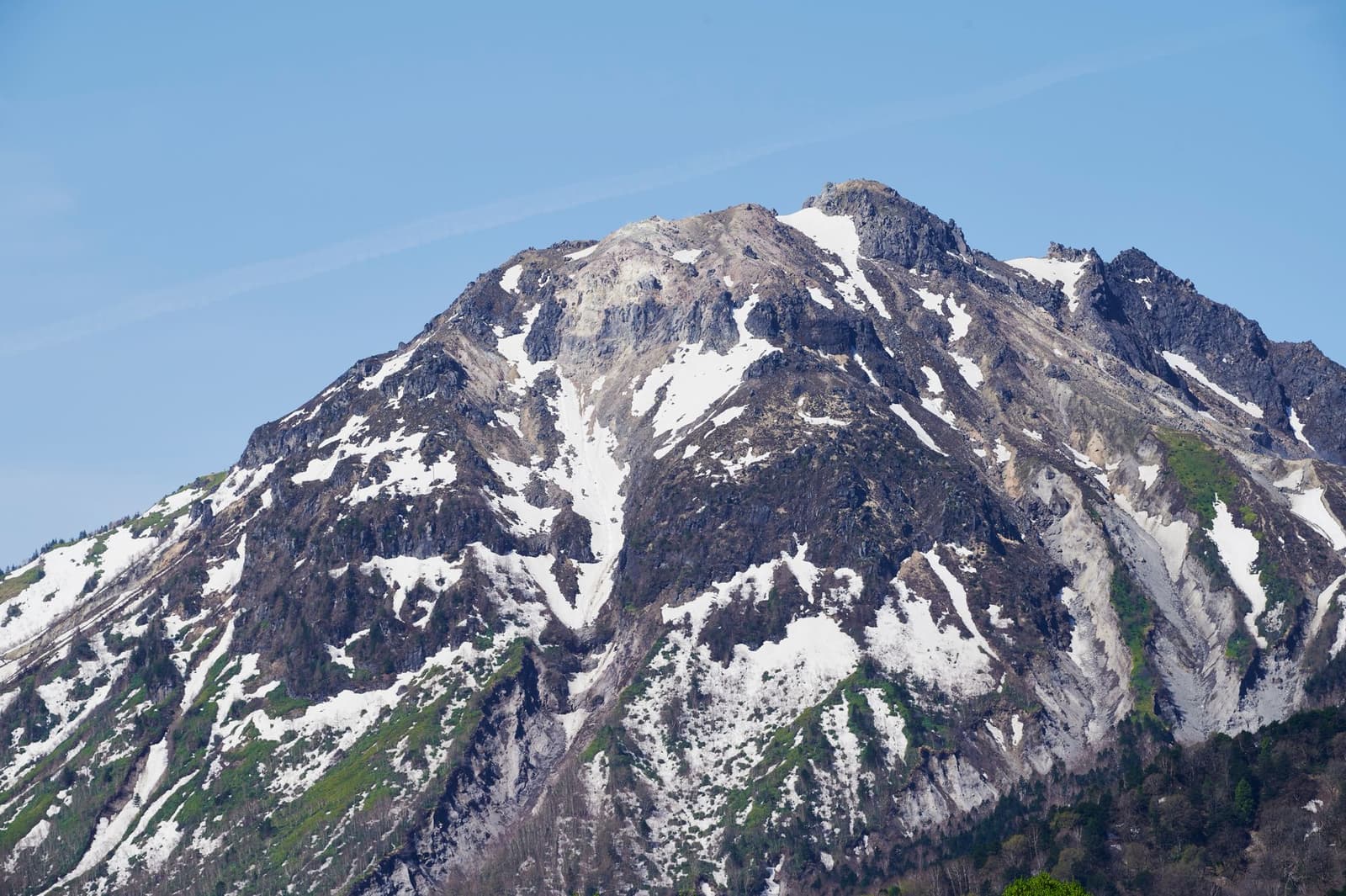
A protected alpine river valley under the Hotaka peaks - private cars are banned entirely, so access runs by bus or taxi from Sawando. The reward is Japan's most painterly mountain scenery on flat, gentle riverside trails: serious beauty without serious hiking.
How does Matsumoto fit the Takayama loop?
As the eastern hinge: Tokyo to Matsumoto by limited express, castle afternoon, Kamikochi or Narai day, then over the mountains to Takayama by bus or via the Hida line. It converts the Alps from an obstacle into the itinerary's scenic spine.
Pairs well with
Nagano
Routing Nagano - Zenkoji's dawn rituals, the Jigokudani snow monkeys done honestly, soba country, and ski links to Hakuba and Nozawa.
Industry, Castle & HitsumabushiNagoya
Routing Nagoya - the central hub agents underrate: Toyota and rail museums, the golden-dolphin castle, hitsumabushi eel, and Ise or Hida links.
Nebuta, Apples & HirosakiAomori
Routing Aomori - the Nebuta festival's glowing giants, Hirosaki's castle cherries, apple country, and the Oirase stream to Lake Towada.
Service lines covering Matsumoto
Quoted net within 24 hours and delivered under your brand. Single services, FIT and small groups can be taken on 24 to 48 hours notice; larger group movements need 45 days.
- Luxury FIT - private journeys and ryokan programmes
- Groups & Series - coach logistics and FOC allocation
- MICE & incentives - venues, gala production and delegate movement
- Ground handling - transfers, rail and 24/7 support
- All services →
How your market sells Matsumoto
Seasonality, pacing, dietary handling and flight access differ by where your clients fly from. Each market page sets out how we quote and operate for agencies in that country.