Kyoto has 1,600 temples. Most visitors see the same dozen. Fushimi Inari with its thousands of vermilion torii gates. Kinkaku-ji's golden pavilion glittering above its pond. Arashiyama's bamboo grove — now so photographed that the experience has become as much about the crowd as the forest. These places are extraordinary. They are also, during peak season, extraordinarily busy.
The Kyoto that most people never discover is quieter, stranger and, in many ways, more affecting. It exists behind unmarked gates, up mountain paths rarely taken, and inside moss gardens where the silence is so complete you can hear your own heartbeat. This is the Kyoto we take our clients to find.
Otagi Nenbutsu-ji: The Temple of a Thousand Faces
Hidden in the far western reaches of the Sagano district — beyond Arashiyama, past the point where most tourists turn back — Otagi Nenbutsu-ji is one of Kyoto's most quietly extraordinary places. The temple grounds contain 1,200 stone rakan figures (disciples of the Buddha), each carved by a different person between 1981 and 1991 under the guidance of sculptor Kocho Nishimura.
The result is a landscape unlike anything else in Japan: hundreds of moss-covered stone figures emerging from the undergrowth, each with a distinct face — some serene, some laughing, some apparently watching football or playing instruments. The variety is both humorous and strangely moving. Visit in autumn when the maple leaves frame each figure in amber and red, or in winter when light snow settles on their shoulders.
Visiting Otagi Nenbutsu-ji
- Location: 2-5 Sagatooriimoto Fukatani-cho, Ukyo Ward — about 20 minutes walk west of Arashiyama
- Hours: 9am – 5pm daily
- Admission: ¥500
- Best time: Weekday mornings; November for autumn foliage
- Crowd level: Rarely more than a handful of visitors
Jojakko-ji: The Temple of Solitude
A five-minute walk from Arashiyama's bamboo grove — but feeling utterly removed from it — Jojakko-ji is a hillside temple of remarkable peace. The approach takes you through a moss-carpeted garden and up stone steps worn smooth by centuries of use, flanked by maple trees whose autumn colours are among the finest in the city.
At the top, a small pagoda offers views across the Sagano plain. The temple grounds are intimate — you can walk them entirely in twenty minutes — but there is a quality of stillness here that stays with you long after you leave. The garden, maintained with obsessive care, demonstrates the Japanese principle that a garden should be experienced at the pace of meditation, not sightseeing.

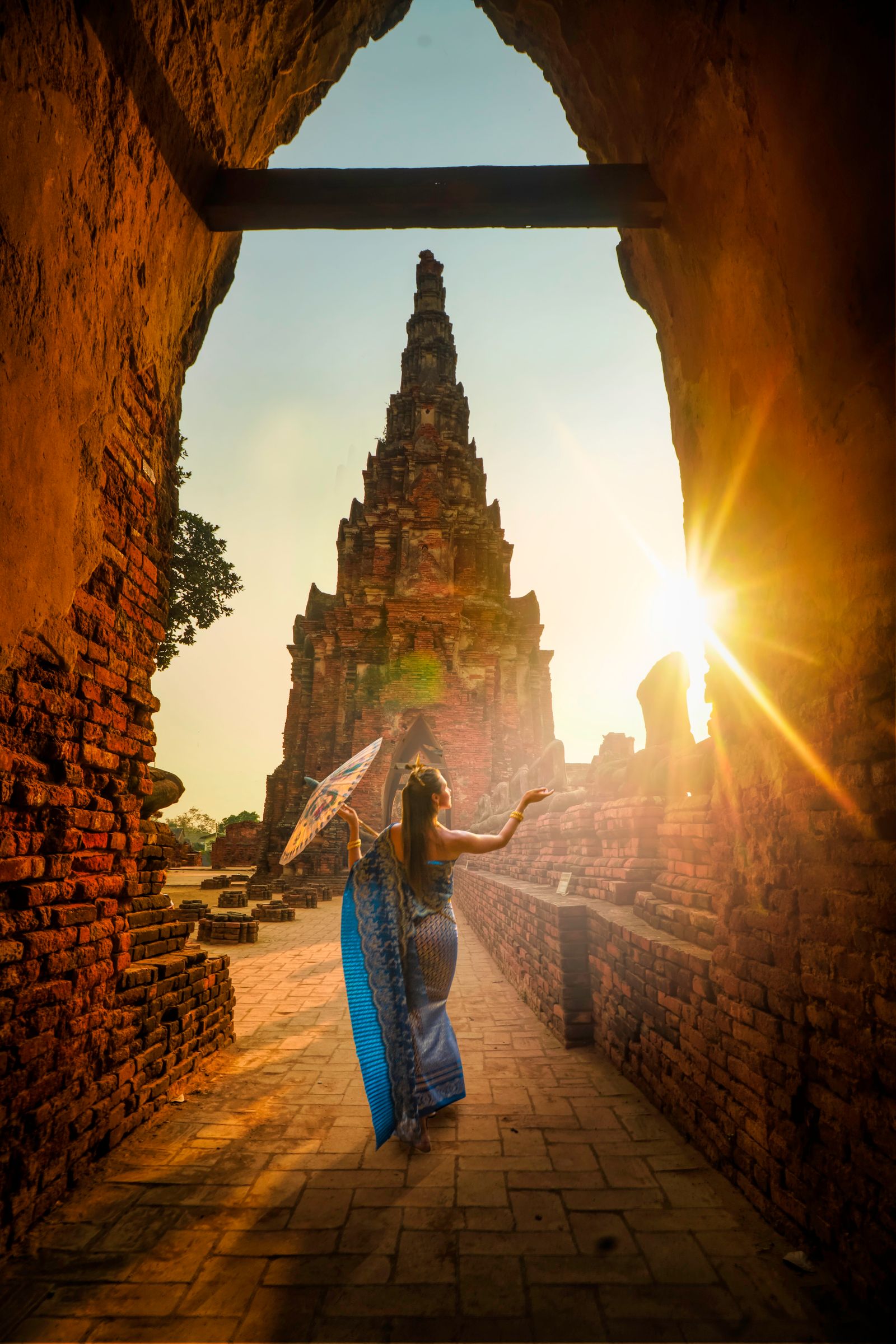
The lanes and approaches leading to Kyoto's lesser-known temples are themselves worth the journey.
Daigo-ji: The Mountain Temple Complex
Most visitors to Daigo-ji see only the lower garden and Sanbo-in villa — and even these are exceptional. The cherry blossoms here were so beloved by Toyotomi Hideyoshi that he hosted his famous flower-viewing party of 1598 in these grounds, bringing 1,300 guests beneath the trees.
But few visitors make the two-hour climb to Kami-Daigo, the upper temple complex that sits at the top of Daigo-san mountain. The path rises through cedar forests, passing ancient stone lanterns and small shrines, before arriving at a complex of buildings that have stood since the 9th century. You will almost certainly have it to yourself. The silence, the age of the place and the views across the valleys below combine to create an experience of profound solitude.
Kurama: The Mountain Village Beyond the City
Forty minutes north of central Kyoto by the charming Eizan Railway, Kurama feels like a different world entirely. The village sits at the foot of Kurama-yama, a mountain regarded in Japanese mythology as a place of spiritual power. The path from Kurama Station climbs through ancient cedar forest to Kurama-dera temple complex, passing stone lanterns and shrines dedicated to the deity Mao-son.
At the summit, a path descends through equally dramatic forest to the village of Kibune — famous for its riverside kawadoko dining platforms, where restaurants extend out over a crystal-clear mountain stream. In summer, these platforms offer one of Kyoto's most magical dining experiences: sitting above rushing water, cooled by mountain air, eating Kyoto-style kaiseki cuisine.
"Kyoto's famous temples teach you what Japan was. Its hidden temples teach you what Japan still is — a culture that finds the sacred in moss, in silence, and in paths rarely taken."
Fushimi Inari After Dark
Fushimi Inari is not hidden, but it contains a secret that most visitors never discover: after 5pm, when the tour groups have departed and the stalls have closed, the thousands of vermilion torii gates that climb the mountain become something entirely different. Lit only by small lanterns and the ambient glow of the city far below, the gates create a tunnel of deep orange-red that feels genuinely otherworldly.
The full climb to the summit takes 2–3 hours, and the upper reaches of the mountain are deserted after dark. For those with a spirit of adventure and comfortable shoes, an evening ascent of Fushimi Inari is one of Kyoto's most extraordinary experiences — and one that costs nothing beyond the effort of walking.
How We Approach Kyoto Differently
At Vb Japan DMC, we design Kyoto itineraries around the principle that the most valuable experiences are not the most famous ones. Our private guides are long-term Kyoto residents with deep knowledge of the city's lesser-known districts, seasonal highlights and the subtle rhythms of daily life.
- We time temple visits to specific hours — often dawn — when light and silence are both at their finest
- We arrange private access to restricted sections of major temple gardens not open to general visitors
- We design walking routes that connect hidden gems rather than jumping between landmark destinations
- We include neighbourhood temples and shrines that local Kyotoites use for daily prayer — experiences of lived culture rather than preserved heritage
Discover a Different Kyoto
Our private guides will take you to the Kyoto that most travellers never find — at the right time, with the right context, and without the crowds.
Plan Your Kyoto Journey