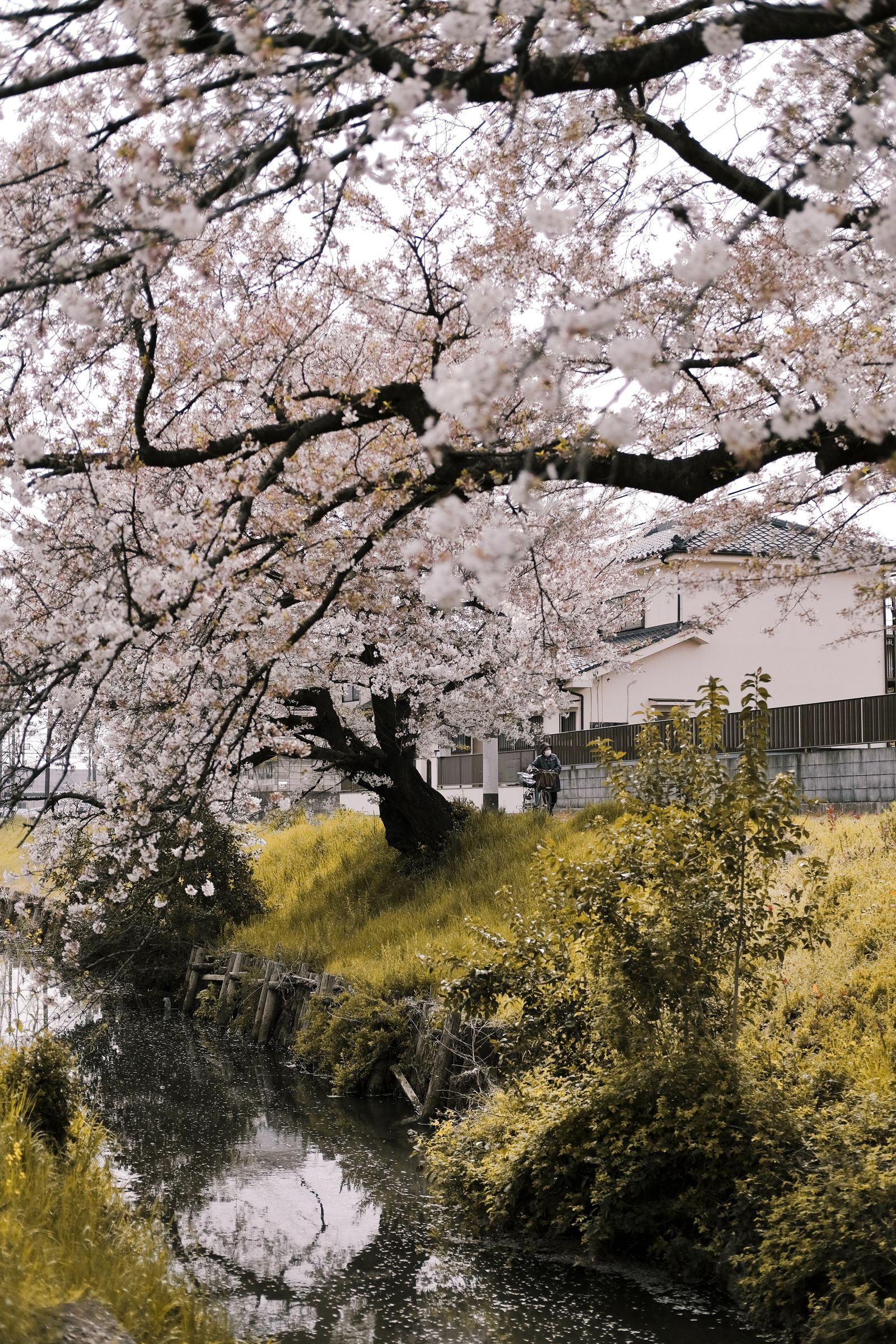
Japan is one of the most welcoming countries on earth for international travellers. The Japanese have an extraordinary capacity for patience, kindness and creative helpfulness with visitors who cannot speak the language or follow every custom. You will not be judged harshly for small mistakes.
That said, travelling in Japan with a working understanding of its customs and social codes transforms the experience entirely. It signals respect. It opens doors. It makes the quiet moments of everyday interaction — buying a train ticket, entering a temple, receiving a dish at a restaurant — feel like genuine exchange rather than transaction. This guide covers the essential customs that will carry you well throughout Japan.
Shoes: The Foundational Rule
Japan has a deeply ingrained division between inside and outside, clean and unclean — and nowhere is this more visible than in the treatment of shoes. Removing your shoes before entering a home, a ryokan room, many traditional restaurants, and some temples is not optional. It is one of the most fundamental social codes in Japanese culture.
Bowing: What It Means and How to Do It
Bowing is Japan's fundamental greeting — and its depth, duration and context communicate nuance that takes years to fully master. As a visitor, you are not expected to bow perfectly. A simple, sincere nod of acknowledgement when greeted goes a long way.
In practice: shop staff, hotel employees and restaurant servers will bow to you continuously. You do not need to bow deeply in return — a slight incline of the head and a warm expression is sufficient and genuinely appreciated. Attempting a deeper bow shows respect and is always received warmly, even if imperfect.
"Japanese etiquette is not a set of rules designed to catch you out. It is an expression of a culture that values consideration for others above almost everything else. Sincerity matters far more than precision."
Dining: Customs at the Table
Japanese restaurant customs are numerous but logical once you understand the principles behind them. The overarching principle is simple: eating is a collective, respectful act, and the food — and the people who prepared it — deserve your full attention.
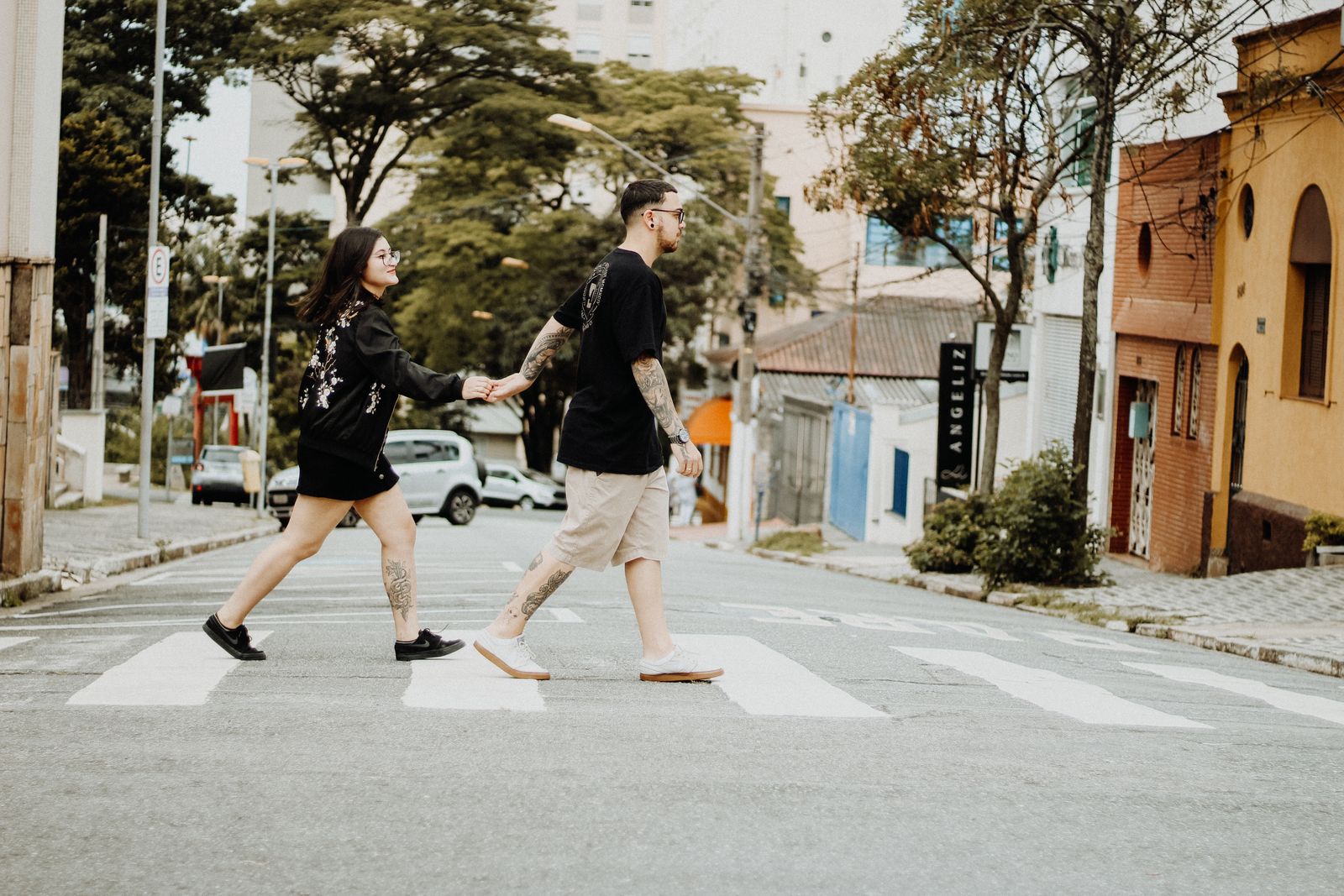
The streets of Asakusa — one of Tokyo's oldest districts — are a masterclass in Japanese public culture: quiet, orderly, and extraordinarily considerate.
Temples and Shrines
Japan has approximately 80,000 Buddhist temples and 100,000 Shinto shrines — and both are actively used for daily worship, not merely tourist appreciation. Entering them with appropriate respect is both courteous and, in our experience, greatly enriches the experience.
Public Transport
Japan's public transport system is extraordinarily efficient and operates according to a clear code of conduct. Observing it makes you an invisible, frictionless part of the system — which is precisely the point.
- Do not speak on the phone on trains and buses. Text instead. Quiet carriages are genuinely quiet.
- Queue precisely at the marked positions on platform floors. The doors open exactly where the markers indicate.
- Give up priority seats (marked in a different colour) to the elderly, pregnant women and those with disabilities — without being asked.
- Bags go on the overhead rack or in your lap on a crowded train, not on the seat beside you.
- Eating on long-distance Shinkansen is perfectly acceptable. Eating on local commuter trains is not.
The Onsen
Japan's hot spring bathing culture is one of its great pleasures — and one that comes with the most specific set of customs. Getting them right allows you to fully relax into what is genuinely one of the most restorative experiences Japan offers.
- Wash and rinse your entire body thoroughly at the shower stations before entering any communal bath
- Do not bring your towel into the water — fold it and place it on your head or leave it at the side
- Tattoos are prohibited in most traditional onsen facilities, though this is changing — check in advance
- Enter and exit quietly; conversation is kept low and calm
- Avoid submerging your head
- Drink water before and after bathing — the heat is dehydrating
The One Rule Above All Others
- If you are uncertain about anything, watch what the people around you are doing and follow their lead. Japanese social culture is legible — the right behaviour is almost always visible if you look for it. And if you make a mistake, a sincere apology (sumimasen) is invariably met with grace.
Our guides brief every client in depth before each significant cultural experience — a temple visit, a tea ceremony, a ryokan stay, a formal dinner. Knowing what to expect and what is expected of you is part of how we ensure that every moment of your Japan journey is relaxed, confident and genuinely enriching.
Travel Japan With Confidence
Our private guides provide full cultural briefings before every experience, so you can focus entirely on being present — not on worrying about customs.
Plan Your Journey