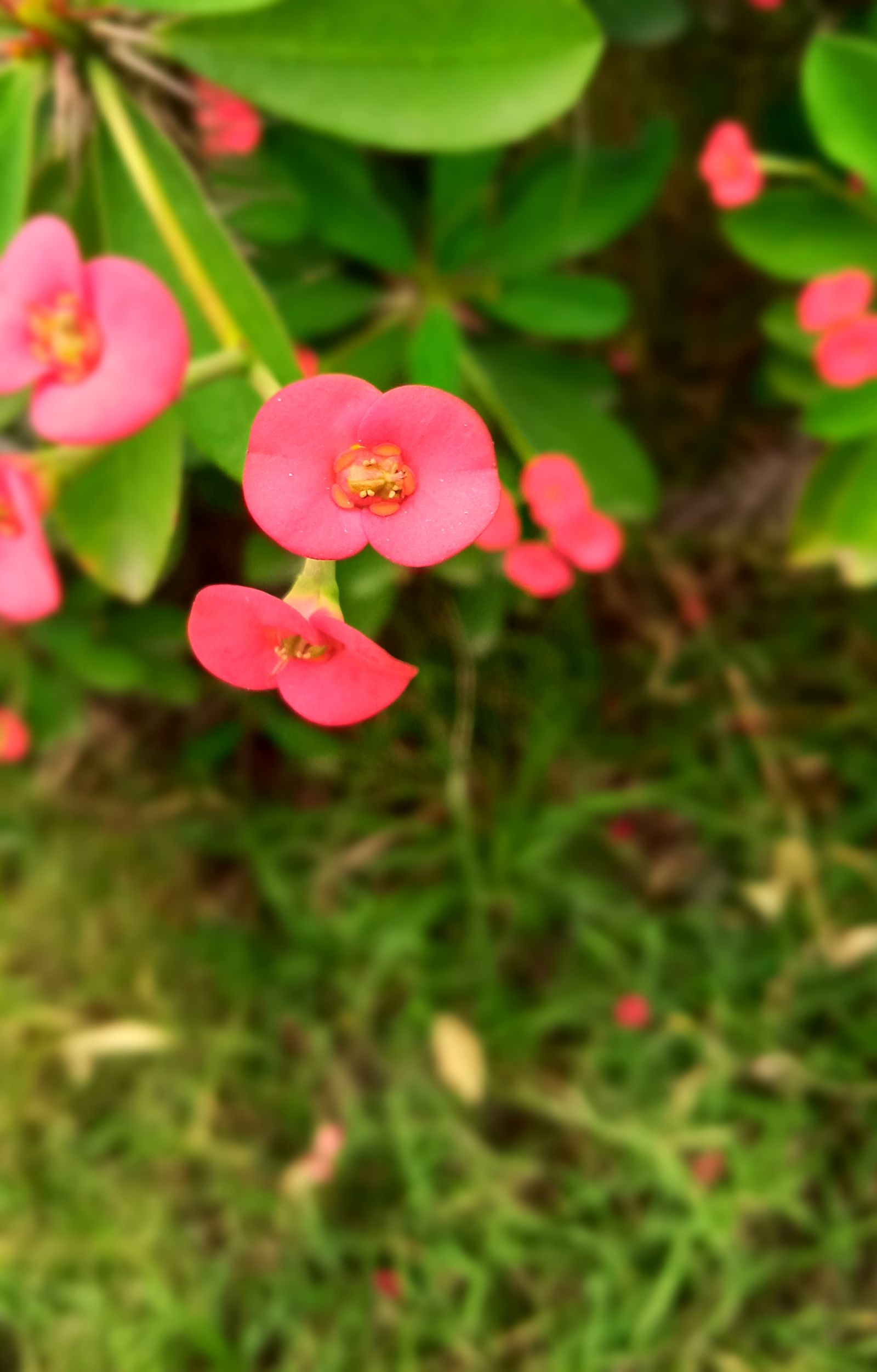
There are few natural phenomena on earth that stop an entire nation in its tracks. Japan's cherry blossom season — sakura — is one of them. For two weeks each spring, parks fill with families and friends gathered beneath clouds of pale pink petals, sharing food, laughter and an unspoken acknowledgement that beauty is fleeting. The Japanese have a word for it: mono no aware — the bittersweet awareness of impermanence.
For travellers, cherry blossom season is the most sought-after time to visit Japan. Done right, it is transcendent. Done wrong — poorly timed, overcrowded, poorly planned — it can be the most frustrating trip of your life. This guide gives you everything you need to experience sakura the way it deserves to be experienced.
Understanding the Bloom: How Sakura Works
Japan's cherry blossoms do not bloom everywhere at once. The season follows a sakura front (桜前線, sakura zensen) that moves northward from the southernmost islands of Kyushu in mid-March, reaches Tokyo and Kyoto in late March to early April, and finally arrives in Hokkaido in late April or early May.
Temperatures drive the timing, and because Japan's climate varies significantly from region to region — and year to year — precise bloom dates shift annually. Japan Meteorological Corporation releases bloom forecasts each January, and Vb Japan DMC monitors these closely to help clients plan their itineraries with accuracy.
Average Bloom Dates by Region
- Kyushu (Fukuoka, Nagasaki): Mid to late March
- Tokyo & Yokohama: Late March to early April
- Kyoto & Osaka: Late March to early April
- Hiroshima & Miyajima: Late March to early April
- Tohoku (Sendai, Hirosaki): Mid to late April
- Hokkaido (Sapporo): Late April to early May
The peak of full bloom (mankai) typically lasts only five to seven days before petals begin to fall. The moment petals drift on the wind — called hanafubuki, or flower blizzard — is perhaps the most magical of all.
The Best Cherry Blossom Spots in Japan
Tokyo: Shinjuku Gyoen & Chidorigafuchi
Shinjuku Gyoen National Garden is Tokyo's finest sakura location — a 58-hectare park with over 1,000 cherry trees spanning a dozen varieties, meaning the season here extends longer than most. Arrive early morning (the garden opens at 9am) to secure peaceful viewing before crowds arrive. Alcohol is prohibited, which keeps the atmosphere calm and unhurried.
Chidorigafuchi, the moat surrounding the former Edo Castle, offers one of Tokyo's most photographed scenes: row boats drifting under overhanging cherry branches reflected in still water. Arrive at dusk when the trees are illuminated for an evening of remarkable beauty.
Kyoto: Maruyama Park & The Philosopher's Path
Kyoto's most famous sakura spot is the weeping cherry tree at the centre of Maruyama Park — a centuries-old specimen that glows under lantern light during evening hanami gatherings. The surrounding stalls, the distant sound of temple bells and the scent of grilled skewers create an atmosphere that feels timeless.
The Philosopher's Path (Tetsugaku no Michi) is a stone-paved canal walkway lined with hundreds of Somei Yoshino cherry trees. At full bloom, the canal becomes a river of pink petals. Walking this path at dawn, before the crowds arrive, is a moment of contemplative stillness that few travellers forget.
Hirosaki Castle, Aomori
For those willing to travel north, Hirosaki is widely regarded as Japan's finest castle-sakura combination. The castle grounds contain over 2,600 cherry trees and host the Hirosaki Cherry Blossom Festival each late April — typically the most spectacular bloom festival in the country. The moat, filled with pink petals, is a scene of almost surreal beauty.
Kyoto's canal paths at full bloom — best experienced at dawn before the crowds arrive.
How to Experience Hanami Like a Local
Hanami — literally "flower viewing" — is a picnic tradition dating back to the Nara period (710–794 AD), when the aristocracy gathered beneath plum blossoms. Today it is practiced by everyone, from schoolchildren to corporate teams, and it is one of Japan's most joyful social rituals.
To do it properly: secure a spot under the best trees before noon (in popular parks, people arrive from 7am to claim space), bring a blue tarpaulin or picnic blanket, prepare onigiri, tamagoyaki, sakura mochi and sake or beer, and settle in for several hours of unhurried conversation beneath the blooms. There is no agenda beyond being present.
"The Japanese do not simply look at cherry blossoms. They gather beneath them, eat beneath them, and remind one another that the most beautiful things in life do not last — and that this is precisely why they matter."
Luxury Hanami: Beyond the Public Parks
For discerning travellers, Vb Japan DMC curates private hanami experiences that place you inside the beauty rather than observing it from behind a crowd. These include:
- Private garden access at historic machiya estates and imperial villa grounds not open to the general public
- Exclusive dawn access to major parks before opening hours, accompanied by a private guide and catered breakfast
- Rooftop hanami at select Tokyo and Kyoto luxury hotels with bird's-eye views over sakura canopies
- Private boat hire on Chidorigafuchi moat, timed to the evening illuminations
- Traditional kaiseki dinner beneath illuminated cherry trees at a Kyoto ryokan garden
Planning Your Cherry Blossom Trip: What You Need to Know
Cherry blossom season is Japan's single busiest travel period. Hotels in Kyoto and Tokyo can be fully booked six to twelve months in advance. Bullet train seats sell out weeks ahead. If you want to travel during sakura season — particularly in the prime late March to mid-April window — you must plan early.
Practical Planning Tips
- Book accommodation at least 9–12 months in advance for peak dates
- Reserve bullet train (Shinkansen) tickets as soon as they open (28 days before travel)
- Build flexibility into your itinerary — bloom dates can shift by 5–10 days year to year
- Consider starting your trip in Tokyo and ending in Kyoto (or vice versa) to follow the bloom northward
- Early morning visits (before 9am) dramatically reduce crowd pressure at popular spots
- If crowds concern you, consider the lesser-known Tohoku region — bloom is later (mid-April) but far quieter
The cherry blossom season requires no manufactured drama. The trees do everything. Your only task is to be there — unhurried, open, and ready to be moved by something genuinely beautiful. If you would like Vb Japan DMC to design a cherry blossom journey tailored to your travel dates and preferences, we would be honoured to begin planning.
Plan Your Cherry Blossom Journey
Vb Japan DMC designs bespoke sakura itineraries with private access, expert timing and luxury accommodation — secured well in advance so nothing is left to chance.
Begin Planning