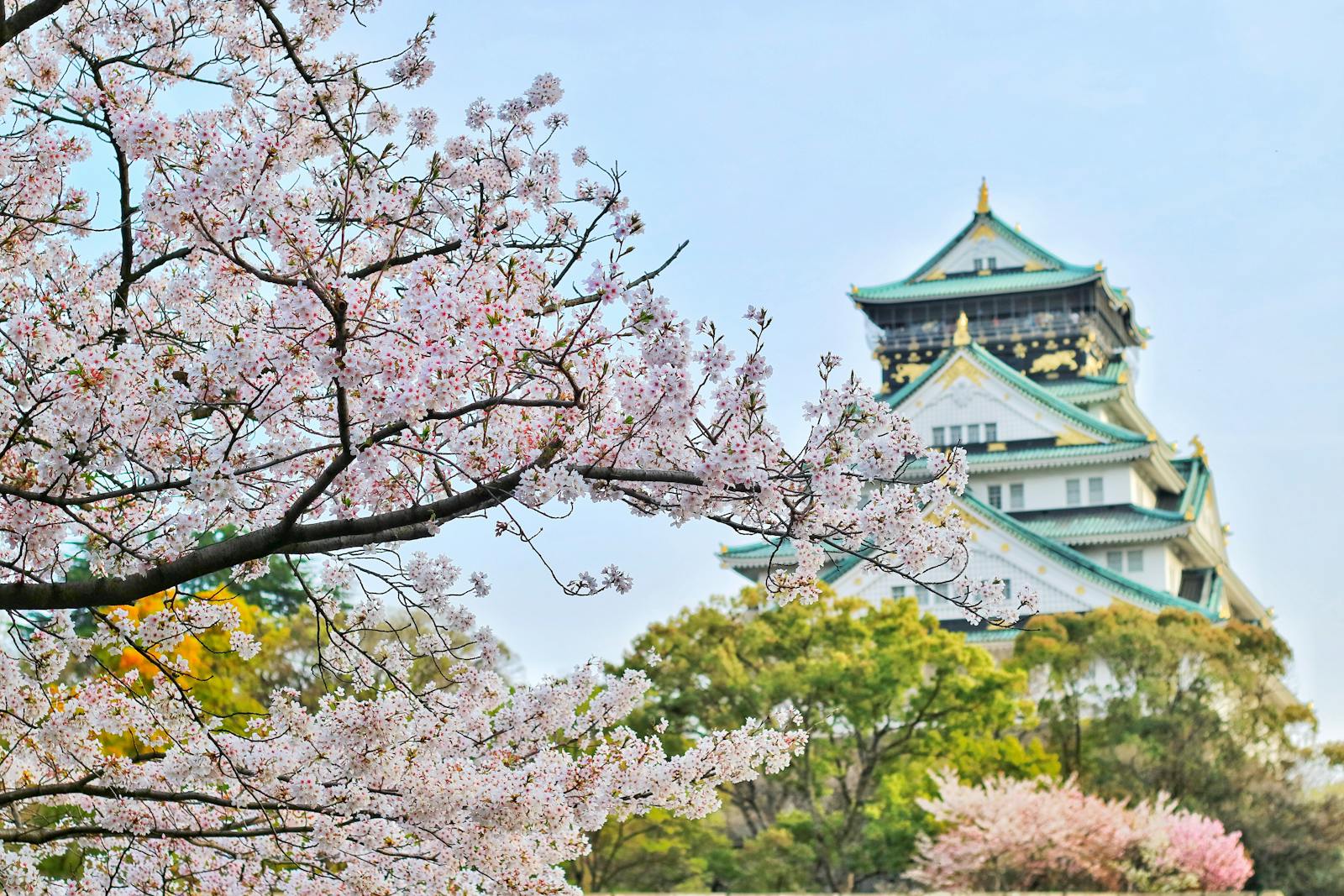
Two weeks in Japan is enough time to experience the country at depth — not rushing between bullet points on a checklist, but actually inhabiting each place long enough to understand its particular character. Tokyo's kinetic energy. Hakone's volcanic stillness. Kyoto's weight of history. Osaka's irrepressible appetite for pleasure. These are not interchangeable cities. They require time, and they reward it.
This itinerary has been refined across fifteen years and hundreds of client journeys. It is not the only way to spend two weeks in Japan — but it is, in our experience, the one that most consistently produces the feeling, on the final day, that you have truly been somewhere. Every element can be adjusted. This is a foundation, not a formula.
Before You Travel: Essential Logistics
- Japan Rail Pass: Purchase before arrival — a 14-day pass covers all Shinkansen travel on this route and pays for itself many times over
- IC Card (Suica/Pasmo): Load at the airport on arrival — used for all local trains, buses and many convenience store purchases
- Pocket Wi-Fi: Rent at the airport — essential for navigation, translation and reservations throughout the trip
- Cash: Japan remains largely cash-based outside major tourist areas. Keep ¥20,000–¥30,000 accessible at all times
- Restaurant reservations: Book kaiseki dinners, omakase counters and popular restaurants before you depart — not on arrival
Days 1–4: Tokyo
Arrive at Narita or Haneda and transfer directly to your hotel. Do not plan significant sightseeing on arrival day — jet lag from a long-haul flight is real, and Tokyo will still be there tomorrow. Eat something simple from a convenience store or a nearby ramen shop, and sleep.
Arrival & Orientation
Airport transfer, hotel check-in, light neighbourhood exploration on foot. Dinner at a local izakaya. Early night.
East Tokyo: Asakusa, Ueno & Akihabara
Morning at Senso-ji temple before the crowds. Nakamise-dori market. Ueno Park and the Tokyo National Museum. Afternoon in Akihabara's extraordinary electronics and culture quarter. Sushi dinner in Ginza.
West Tokyo: Shibuya, Harajuku & Shinjuku
Meiji Shrine at dawn. Harajuku's Takeshita Street. Omotesando for architecture and design. Shibuya crossing at dusk. Dinner and evening in Shinjuku's Golden Gai or Omoide Yokocho.
Tokyo at Your Pace
Free day for personal interests — Yanaka for old Tokyo atmosphere, teamLab Borderless for digital art, Tsukiji outer market for breakfast, Shimokitazawa for vintage and music. Private omakase dinner (reserved in advance).
The iconic view of Fuji-san from Chureito Pagoda in Fujiyoshida — best photographed at dawn before cloud cover builds.
Days 5–6: Hakone
Hakone sits one hour from Tokyo by Romancecar express train, and the contrast on arrival is total. The volcanic landscape — steaming vents, black crater lakes, cedar forests — provides a physical and psychological reset after Tokyo's intensity. A two-night stay in a traditional ryokan here is one of the most consistently transformative experiences we give our clients.
Arrive Hakone — Ryokan Check-in
Romancecar express from Shinjuku. Hakone Open-Air Museum in the afternoon. Ryokan check-in, private onsen bath, kaiseki dinner. Evening stars from the rotenburo if weather permits.
Mount Fuji Views & Onward to Kyoto
Early morning Fuji views from Owakudani or Lake Ashi (weather dependent). Hakone Loop: ropeway, pirate ship across the lake, mountain railway. Afternoon Shinkansen to Kyoto. Arrive by evening.
Days 7–10: Kyoto
Kyoto demands time. The city's extraordinary concentration of temples, gardens, traditional craft workshops, tea houses and preserved machiya townhouses cannot be absorbed in a day or two. Four nights allows you to explore at a pace that respects both the city and yourself.
Eastern Kyoto: Higashiyama District
Dawn at Fushimi Inari before the crowds. Tofuku-ji's famous garden. Afternoon along Higashiyama's stone-paved lanes — Kiyomizudera, Ninenzaka, Sannenzaka. Private tea ceremony in the early evening.
Northern Kyoto: Arashiyama & Hidden Temples
Early Arashiyama bamboo grove. Tenryu-ji garden. Jojakko-ji and Otagi Nenbutsu-ji (see our hidden temples guide). Afternoon Nishiki Market. Kaiseki dinner in Pontocho.
Nara: Deer, Daibutsu & Ancient Capital
45-minute train from Kyoto. Todai-ji's Great Buddha — the largest bronze statue in Japan. Nara Park's free-roaming deer. Kasuga Taisha shrine's lantern-lined paths. Return to Kyoto by evening. Dinner in Gion.
Central & Northern Kyoto
Kinkaku-ji (Golden Pavilion) at opening. Ryoan-ji's famous rock garden. Philosopher's Path. Nanzen-ji's aqueduct and sub-temples. Farewell dinner at a Kyoto kappo restaurant.
"The best Japan itineraries are not ambitious — they are selective. One perfect experience remembered clearly is worth more than five impressive ones half-experienced in a rush."
Days 11–12: Hiroshima & Miyajima
Hiroshima is a two-and-a-half-hour Shinkansen journey from Kyoto, and it is a city of profound moral weight. The Peace Memorial Park and Museum are among the most important sites in the world — not comfortable, but essential. Give them the full morning they require.
Peace Memorial Park & Museum
Shinkansen from Kyoto. Morning at the Peace Memorial Museum — allow three hours minimum. The Atomic Bomb Dome. Afternoon rest. Hiroshima okonomiyaki for dinner — the city's distinctive layered pancake version is extraordinary.
Miyajima Island
Ferry to Miyajima. The floating torii gate of Itsukushima Shrine — walk out to it at low tide. Daisho-in temple complex. Momiji manju (maple-leaf cakes) from the island's bakeries. Return to Osaka by Shinkansen. Check in and explore Dotonbori by night.
Itsukushima Shrine's floating torii gate — one of Japan's three most celebrated views, and one that never disappoints in person.
Days 13–14: Osaka
Osaka is Japan's great counterpoint to Kyoto's refinement — louder, funnier, more appetitive, and utterly self-confident about its own pleasures. It is the food capital of Japan and the spiritual home of kuidaore: "eat until you drop." Arrive hungry and stay curious.
Osaka Castle, Kuromon Market & Dotonbori
Osaka Castle and its park in the morning. Kuromon Ichiba market — Japan's kitchen — for late morning grazing. Afternoon in Namba and Shinsaibashi. Dotonbori for dinner: takoyaki, kushikatsu, and craft sake along the canal.
Final Morning & Departure
Umeda Sky Building's floating garden observatory for a final view of the city. Last shopping at Shinsaibashi. Transfer to Kansai International Airport (KIX) for departure. Osaka to London is approximately 12 hours direct.
What This Itinerary Doesn't Include — And Why
Japan rewards depth over breadth, and this route deliberately excludes several places that first-time visitors often add from fear of missing out — Sapporo, Nagano, Kanazawa, Fukuoka. All of these are wonderful. None of them, on a 14-night trip that already covers Tokyo, Hakone, Kyoto, Nara, Hiroshima, Miyajima and Osaka, can be visited without the entire journey feeling rushed.
Our consistent advice: do fewer places better. Spend the extra night in Kyoto rather than squeezing in a half-day in Kanazawa. Your memories will be richer for it. Japan's depth is inexhaustible — there will always be a reason to return, and the places you left unvisited will become the foundation of your next trip.
Variations We Recommend
- Replace Hiroshima/Miyajima with Kanazawa: For travellers prioritising craft and traditional arts over history
- Add Kinosaki Onsen (2 nights): Replace the second Kyoto free day and the Nara day trip with Japan's most beautiful hot spring town on the Japan Sea coast
- Cherry blossom version: Shift the entire itinerary to late March–early April and add Maruyama Park (Kyoto) and Shinjuku Gyoen (Tokyo) as dedicated evening stops
- Autumn leaves version: Mid-November; Kyoto's Tofuku-ji and Eikan-do become Japan's finest autumn foliage sites — extend Kyoto to 5 nights
Make This Itinerary Yours
Every trip we design begins with this foundation and is then shaped entirely around you — your pace, your interests, your idea of a perfect day in Japan. Let's begin the conversation.
Start Planning